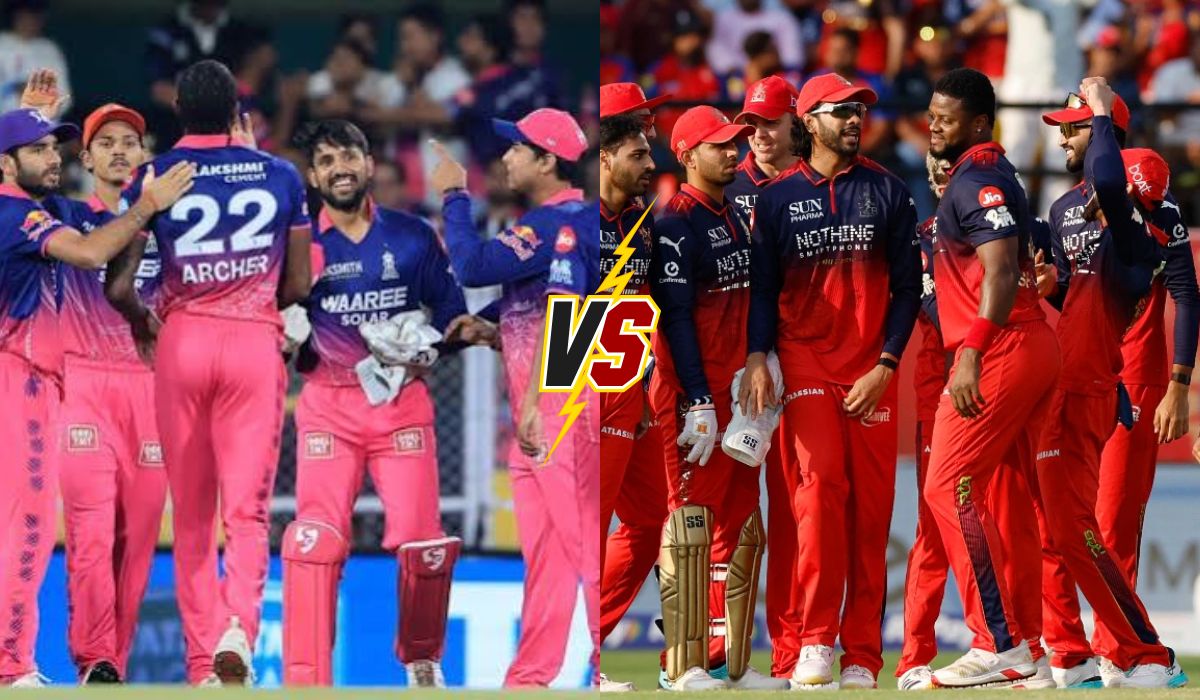

Cricket produces more numbers than almost any other major sport. Analysts track averages, strike rates, economy rates, partnerships, dot-ball percentages, venue records, and player matchups. These statistics are useful, but they do not tell the whole story.
Live cricket changes too quickly for historical data to remain complete.
A batter may enter with an excellent record against spin, then struggle because the pitch grips more than expected. A bowler with ordinary recent figures may become dangerous when cloud cover increases swing. One dropped catch can extend an innings. One short burst of scoring can reverse pressure within minutes.
Statistics describe what has happened before. Live cricket forces analysts to decide how much of that past still applies to the current moment.
This is why prediction becomes harder once the match begins. The score matters, but so do wickets in hand, required run rate, field placement, player confidence, pitch behavior, and tactical changes. Each delivery adds new evidence.
A useful forecast therefore has to keep moving with the game. Numbers provide the foundation, but live context determines how those numbers should be interpreted.
Live Conditions Can Make Historical Numbers Misleading
A Pitch Can Change During The Match
Pre-match statistics often assume that past conditions provide a useful guide. Cricket surfaces make that assumption difficult.
A dry pitch may slow as play continues. Cracks can create uneven bounce. Moisture may help seam bowling early before conditions become easier for batting. The same player can therefore face a very different challenge from one innings to the next.
Historical averages remain useful, but analysts must compare them with what the pitch is doing right now.
Every Delivery Adds New Information
Live cricket produces a continuous stream of evidence.
A bowler may suddenly find more swing. A batter may struggle against short deliveries. Several dot balls can increase pressure and encourage a risky shot. These details can change expectations faster than long-term averages suggest.
This is why live analysis appears across many digital sports services. A desi betting website, for example, may organize changing match information around current conditions rather than relying only on pre-match records.
Match Situation Changes The Meaning Of Statistics
A strike rate of 120 can be excellent in one situation and inadequate in another.
If a team needs eight runs per over, controlled scoring may be enough. If the required rate climbs above fifteen, the same approach becomes a problem. Wickets in hand, remaining overs, and the strength of the lower order all change how analysts should interpret the numbers.
Good live analysis therefore asks more than what the statistics say. It asks whether those statistics still describe the match that is unfolding on the field.
Player Form And Match Pressure Resist Simple Measurement
Recent Form Can Change Quickly
Player statistics summarize previous performances. They cannot guarantee the next one.
A batter may arrive after several low scores and then produce a fluent innings. Another may have an excellent recent average but struggle against a specific bowler. Fitness, confidence, technique, and match conditions can all affect performance on the day.
This makes recent form useful evidence, not a fixed rule.
Pressure Changes How Players Use Their Skills
The same player may behave differently as the match situation changes.
A batter chasing six runs per over can wait for weak deliveries. At twelve runs per over, that player must take greater risks. A bowler defending a small total may change length, pace, or field placement to force an error.
Statistics can describe what players usually do. Pressure can make them do something different.
Individual Matchups Add Another Layer
Cricket is a team sport built from individual contests.
A skilled batter may consistently struggle against left-arm spin. A fast bowler may trouble one opener while another handles the same deliveries with ease. Captains use these patterns when deciding bowling changes and field positions.
However, even strong matchup data has limits. Players adjust technique, change tactics, and learn from previous encounters.
Momentum Reflects Real Changes In The Match
Momentum can sound vague, but the events behind it are concrete.
Three quick wickets expose new batters. Several boundaries reduce the required run rate. A long partnership allows a batting side to preserve resources for the final overs. Each event changes the options available to both teams.
Live cricket analysis must therefore combine historical statistics with current behavior, tactical pressure, and match context. The numbers provide valuable clues, but the players on the field continuously create new information that no pre-match dataset could contain.
Better Cricket Forecasts Combine Data With Live Context
Statistics remain essential to cricket analysis. They show long-term patterns that memory can miss. Batting averages, economy rates, venue records, matchups, and recent form all help establish what appears likely before play begins.
The problem starts when analysts treat those numbers as fixed answers.
A cricket match creates new evidence with every ball. The pitch changes. Weather shifts. Players adjust tactics. Wickets alter the batting side’s options. A rising required run rate forces greater risk. Even a single over can make an earlier forecast far less useful.
Strong analysis therefore treats prediction as a continuous process. Historical data provides the starting point. Live information then updates the picture as the match develops.
Context also explains why identical statistics can mean different things. A strike rate that suits a controlled chase may become inadequate when the required rate rises sharply. A bowler’s average may look ordinary until conditions begin to favor swing. Numbers only become meaningful when analysts understand the situation around them.
This does not make statistics less valuable. It makes careful interpretation more important.
Cricket remains difficult to predict because performance emerges from many variables interacting at once. Some can be measured well. Others appear only after the match begins.
The strongest forecasts accept that limitation. They combine historical evidence, current conditions, tactical changes, and live performance while leaving room for uncertainty. Statistics can narrow the range of likely outcomes, but cricket itself always has the final word.